
Initial Contact and Waste Review
Every job starts with a waste overview. You tell us what you have, what you are trying to solve, and what kind of timeline you are working with. This may include:
- Waste description or best available information
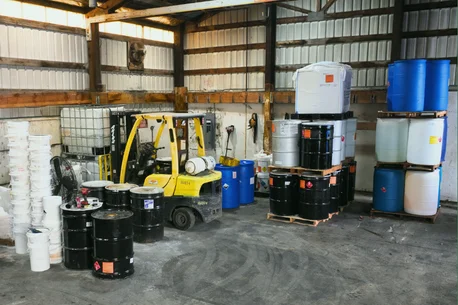
- Container counts and sizes
- Physical state, such as liquid, solid, or sludge
- Site access details and scheduling constraints
- Project goals and planning
The more clearly the scope is defined at the beginning, the easier it is to prevent delays later.
Waste Profiling and Approvals
If the waste stream requires profiling, we gather the right details, complete the required paperwork, and determine the proper disposal, treatment, recycling, recovery, or destruction pathway.
- Waste profile paperwork
- Review of safety data sheets or existing records
- Sampling or analysis when required
- Approval coordination tied to the receiving facility
Profiling is often the step that determines whether scheduling moves forward cleanly or gets delayed.
Scheduling and Pickup
Once approvals are in place, we coordinate timing that supports your operation and confirm what is needed before service begins.
- Pickup date coordination
- Packaging and labeling guidance
- Container readiness
- Site access and loading logistics
- Special handling requirements tied to compatibility or safety
Preparation reduces rejected loads, site confusion, and unnecessary back and forth at pickup.
Transportation and Documentation
WasteXpress coordinates compliant transportation and the paperwork required to move the waste legally and safely.
- Shipping papers and manifests when required
- Labeling and placarding
- Chain of custody documentation
- Hazardous waste transportation coordination
- Routing to the approved receiving facility
Transportation is not just moving waste from one place to another. It is a compliance step that has to be handled correctly from pickup through delivery.
Disposal, Treatment, or Recovery
After transportation, the waste is routed to the appropriate approved pathway based on the waste type, profile, and receiving facility acceptance requirements.
- Disposal
- Treatment
- Recycling
- Recovery
- Fuel Blending or Waste to Energy
Not every waste stream should follow the same path. The correct route depends on the material, the regulations, and the approved end facility.
Ongoing Service Planning and Closeout
Once the job is complete, we support closeout with the documentation that matches the scope and routing. For recurring generators, this is also where we help establish the next pickup plan.
- Final paperwork and record support
- Confirmation of completed disposal routing
- Recurring pickup scheduling
- Recommendations for future service planning
A clean closeout supports compliance, protects your records, and makes the next job easier to manage.