
What it includes
- Initial review of the situation and project goals
- Guidance on handling and segregation of impacted material
- Support for profiling and approvals when required
- Coordination of packaging and container readiness
- Transportation coordination and documentation support
- Routing to the appropriate disposal, treatment, or recovery option
- Closeout documentation support
What it does not include
- General landscaping or non environmental excavation work
- Unplanned removal of unknown impacted material without best available information
- General junk hauling or municipal trash hauling
If you are unsure what is impacted or how to classify it, we will guide you through the next step so the path is clear and compliant.

Compliance risk
Impacted material must be characterized, routed, and documented correctly. Incorrect handling can create regulatory exposure and project delays.

Safety risk
Contaminated soil and water can present exposure risks for workers, the public, and the site. Controlled handling reduces risk.

Cost and operational risk
Remediation often sits on the critical path for construction schedules, facility operations, and project turnover. Delays and rework can be expensive.

Proper handling matters
A clean remediation process reduces uncertainty, supports stakeholder confidence, and creates documentation you can stand behind.
Common requirements
- Site location and access constraints
- What happened and the known timeline
- Best available information on the source material
- Estimated quantities of impacted soil or water
- Site safety requirements and contractor coordination needs
- Any deadlines tied to construction schedules or facility operations
Scheduling expectations
Scheduling depends on scope clarity, site readiness, and any profiling or approvals required for routing. Once requirements are confirmed, we coordinate timing and communicate clearly.
Documentation basics
Remediation related waste often requires documentation that aligns to characterization and disposal routing. We support paperwork and closeout records tied to the actual scope.
Packaging and handling expectations
Impacted soils and remediation waste may require specific containers, segregation, and loading coordination. We provide guidance so handling and transport remain safe and compliant.
What we need to quote accurately
- Scope goals and site constraints
- Best available material information
- Estimated quantity and physical state
- Timeline and project schedule requirements
- Any special handling or access limitations
Initial review and scope alignment
You share the site situation, goals, timeline, and best available information.
Determine handling approach and profiling needs
We confirm what information is required to route impacted material correctly and whether profiling or testing is needed.
Approvals and disposal pathway planning
We align the project to the correct approved disposal, treatment, or recovery option and manage approvals when required.
Scheduling and logistics coordination
We coordinate pickup or transportation timing based on site readiness and project constraints.
Transportation and documentation
We support compliant transportation and the documentation needed for traceability and closeout.
Disposal, treatment, or recovery routing
Impacted material is routed to the appropriate approved pathway.
Closeout documentation
We support closeout records so the project can be finalized cleanly.
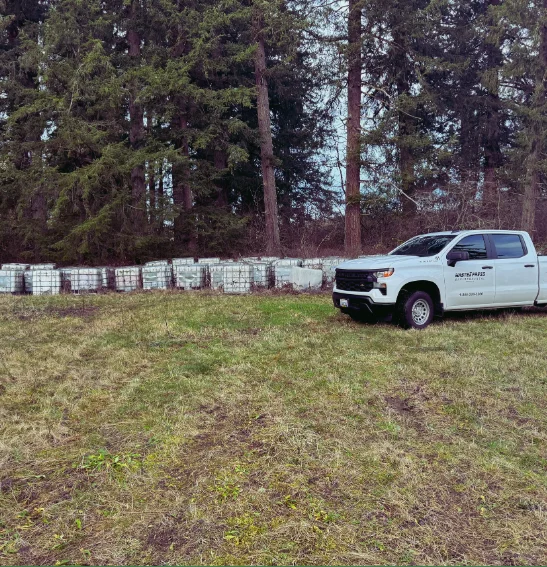
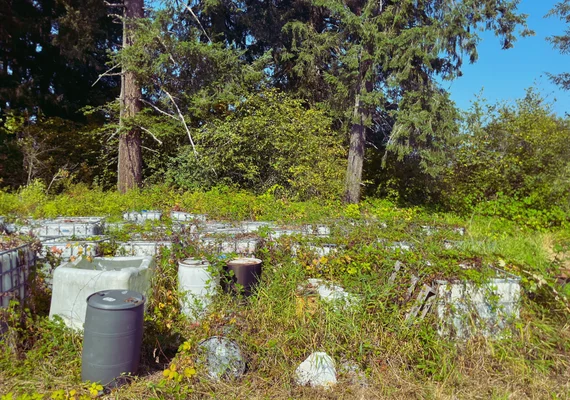
Documented Remediation Support with Contaminated Material Handling and Closeout
WasteXpress supported a cleanup project requiring controlled handling of impacted material, clear transportation coordination, and documented routing to an approved disposal pathway. The customer needed a predictable process, reduced downtime, and clean closeout records for internal reporting.
Soil remediation is the process of addressing contaminated soil so the site can be stabilized, cleaned up, and closed out with proper documentation. The correct approach depends on the source, material type, and project goals.
Groundwater remediation addresses contamination in groundwater. Projects vary by site and scenario. WasteXpress supports the handling, transportation coordination, and disposal routing components tied to cleanup and closeout.
Yes. Smaller spill impacts often require fast, documented handling and disposal routing. We help clarify next steps and coordinate the cleanup path.
Yes. We coordinate routing for contaminated soil disposal through the appropriate approved disposal or treatment pathway based on characterization and acceptance requirements.
Site location, what happened, best available source material information, estimated quantities, access constraints, and timing requirements.
Timing depends on scope clarity and readiness. We will confirm next steps quickly and coordinate scheduling based on requirements.