
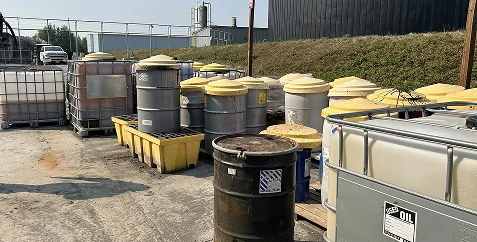
What it includes
- Waste stream review and next step guidance
- Segregation and compatibility planning support
- Packaging and labeling guidance before pickup
- Pickup coordination and compliant transportation
- Documentation support, including required shipping paperwork and manifests when applicable
- Routing to the appropriate approved disposal, treatment, or recovery option
- Closeout documentation and support for recurring service planning
What it does not include
- General household junk removal or municipal trash hauling
- Mixing incompatible chemicals to “make disposal easier”
- Handling unknown materials without the information needed to profile and route them safely
Common outcomes
- Safer handling through proper segregation and packaging guidance
- Reduced compliance risk with clear documentation and closeout
- Fewer delays caused by incompatibility issues or incomplete information
- A repeatable process for recurring pickups and ongoing waste streams
Benefit highlights
- Clear guidance on what is needed before pickup
- Compatibility focused process to reduce risk
- Compliant transportation coordination and documentation support
- Service coverage across WA, OR, and ID

Compliance risk
Corrosive waste streams are regulated and must be managed, transported, and documented correctly. Improper handling can lead to violations, delays, and costly corrective action.

Safety risk
Compatibility issues, improper containers, and improper segregation can cause leaks, reactions, and exposure risk for employees and transport personnel.

Cost and operational risk
A single incompatibility issue can create cleanup costs, downtime, rejected loads, and project delays.

Proper handling matters
When corrosive waste is managed correctly, you reduce risk, protect your facility, and create a repeatable process your team can rely on.
Tell us what you have
Share what you know about the corrosive waste stream, container types, quantities, and timeline.
Profiling and approvals
We confirm what information is needed for profiling and evaluate compatibility considerations to reduce risk and prevent delays.
Scheduling and pickup
Once approvals are in place, we coordinate pickup timing that fits your facility and operational requirements.
Transportation and documentation
We coordinate compliant transportation and the required shipping paperwork.
Disposal, treatment, or recovery
We route the waste to the appropriate approved disposal or treatment path based on the waste stream and acceptance requirements.
Closeout and repeat planning
You receive clear closeout documentation and we can plan recurring pickup schedules for repeat waste streams.
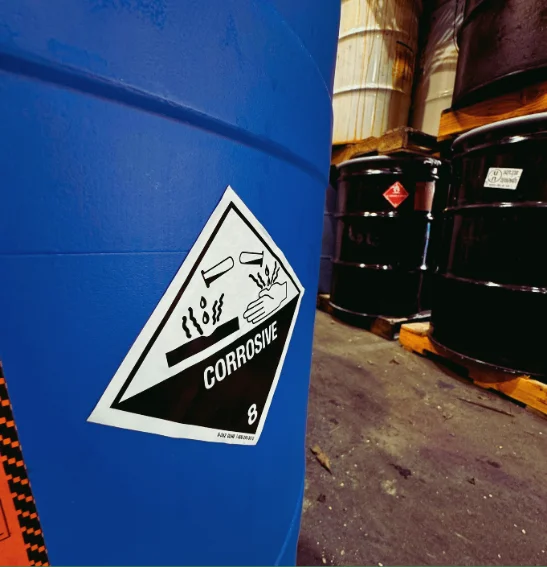
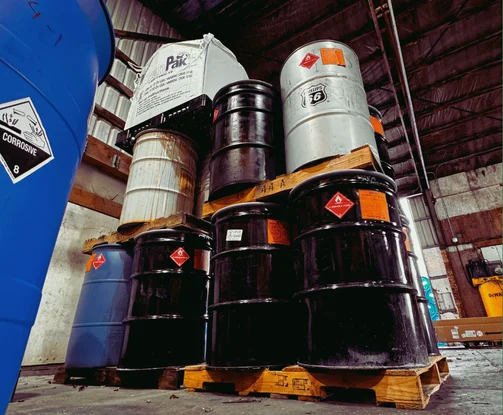
Corrosive waste generally includes strong acids, strong bases, and other materials capable of corroding containers or causing severe damage on contact. If you suspect a waste is corrosive, treat it as compatibility sensitive until confirmed.
Yes. We support corrosive hazardous waste disposal for commercial and industrial generators, including pickup, transportation coordination, and documentation support.
Yes. Our hazardous waste disposal services are built for businesses and facilities that need consistent scheduling, documentation, compliant disposal pathways, and reliable analytical support. From waste identification and characterization to final handling and disposal, we provide the insight and execution needed to keep your operation compliant, efficient, and moving forward.
Acids and bases can be incompatible with other chemicals and may require segregation and specific packaging approaches to prevent reactions or leaks.
Yes. We coordinate pickup and compliant transportation as part of the disposal process, including documentation support.
We start with profiling and best available information, then provide guidance on segregation and preparation so the waste can be transported and routed safely.
A description of what you have, estimated quantity, container types, pickup location, and any timeline needs. If information is limited, we will guide you to the next best step.